
AI Design vs. Licensed Professionals
Can AI Design a House?
Yes, AI can generate concepts and rough layouts in minutes. It cannot produce the permit-ready, code-compliant, stamped drawings a California building department requires. That final step still needs a licensed architect or structural engineer.
Here is exactly what AI does well, where it falls short, and how Cecilia Home turns an AI concept into an approved, buildable project.
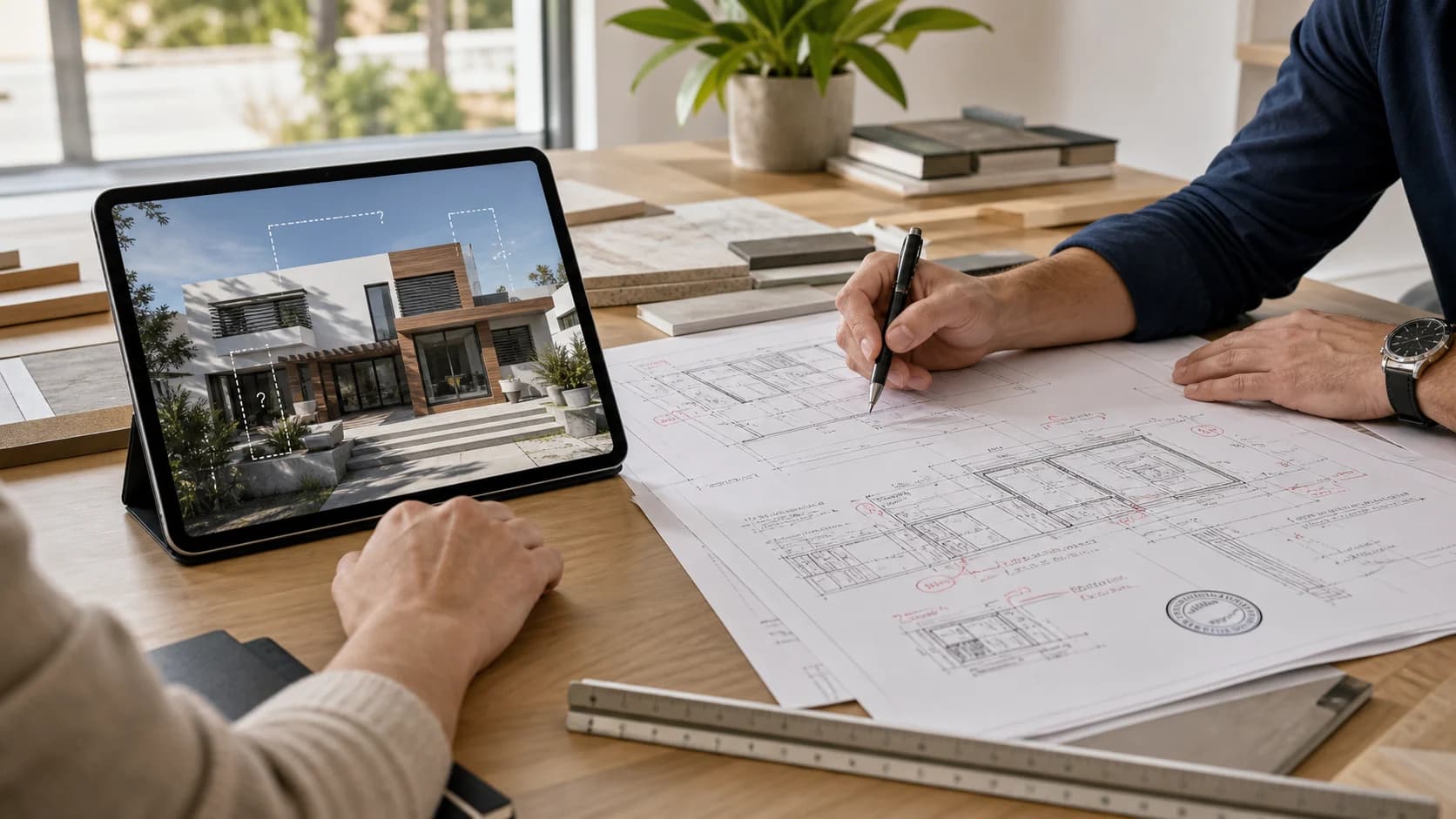
The Dividing Line
What AI Does Well, and What Still Needs a Human
AI is a real head start on the creative side. The line is drawn the moment your project has to satisfy code, structure, and a building department.
Where AI Genuinely Helps
- Exploring layout ideas and room arrangements
- Visualizing finishes, styles, and moodboards
- Generating several rough concepts quickly
- Communicating a direction to your design team
Where a Licensed Professional Is Required
Accurate dimensions and verified site conditions
Measured existing conditions anchor every sheet, dimension, and contractor handoff.
Zoning, setback, and building-code compliance
Local setbacks, height limits, lot coverage, and adopted building code decide whether the design survives plan check.
Structural engineering, calculations, and details
Beam sizes, foundations, lateral systems, and load paths have to be calculated and detailed.
Title 24 energy compliance and coordinated sheets
Energy compliance has to be coordinated with the architecture, windows, insulation, and mechanical assumptions.
Stamped plans, submittal, and plan-check responses
The permit package needs a responsible professional, submittal tracking, corrections, and resubmittal.
Head-to-Head
AI Tools vs. Cecilia Home, Capability by Capability
The same dimensions independent benchmarks use to test design AI, measured against what a licensed firm actually delivers.
Real-World Consequences
What Actually Goes Wrong With AI-Only Plans
These aren't hypotheticals. They're the failure points that surface the moment AI drawings meet a real plan-checker.
Setbacks and coverage miscalculated
AI places the structure without applying your city's setback, height, or lot-coverage rules.
Drawings that can't be built
Renderings aren't dimensioned, coordinated sheet sets a contractor can actually price or build from.
No structural engineering
AI doesn't size beams or foundations, or check how loads actually travel through the house.
Cost & Time
The “Free” AI Route Usually Costs More
AI feels cheaper and faster, until the rejections, the rework, and the second set of plans you pay for anyway.
The “Free” AI-Only Route
- Generate layouts in minutes; it feels fast and free
- Submit to the city, then get rejected on zoning or code
- Pay to redraw it properly when AI can't fix the comments
- Weeks of delay while the project stalls in plan check
- End up hiring a licensed professional anyway
The Cecilia Route
- Fixed-price quote, so you know the full cost up front
- Code- and zoning-compliant plans the first time
- Coordinated structural and Title 24 included
- Submitted and approved, with a 99% permit approval rate
Doing it right once is faster and costs less than redrawing a rejected AI design.
Who's Accountable
When Something Goes Wrong, Who Is Responsible?
A building permit is a legal document. AI can't stand behind it. A licensed professional has to.
With an AI Tool
- Cannot stamp plans, so most permits won't accept them
- Carries no professional or legal responsibility
- No errors-and-omissions insurance behind the work
- If it's wrong, the cost and the risk fall on you
- Can't represent your project to the building department
With Cecilia Home
- Plans stamped by a licensed architect or engineer
- A named professional stands behind every sheet
- Backed by professional liability insurance
- We correct and own any plan-check issues
- We deal directly with the city on your behalf
With Cecilia Home, a licensed professional is legally accountable for your plans, from start to permit.
Beyond What AI Delivers
The Work That Turns a Concept Into an Approved Project
Start with AI if it helps you explore ideas. When it's time to actually build, these are the deliverables that get your project permitted, and the ones AI can't produce.
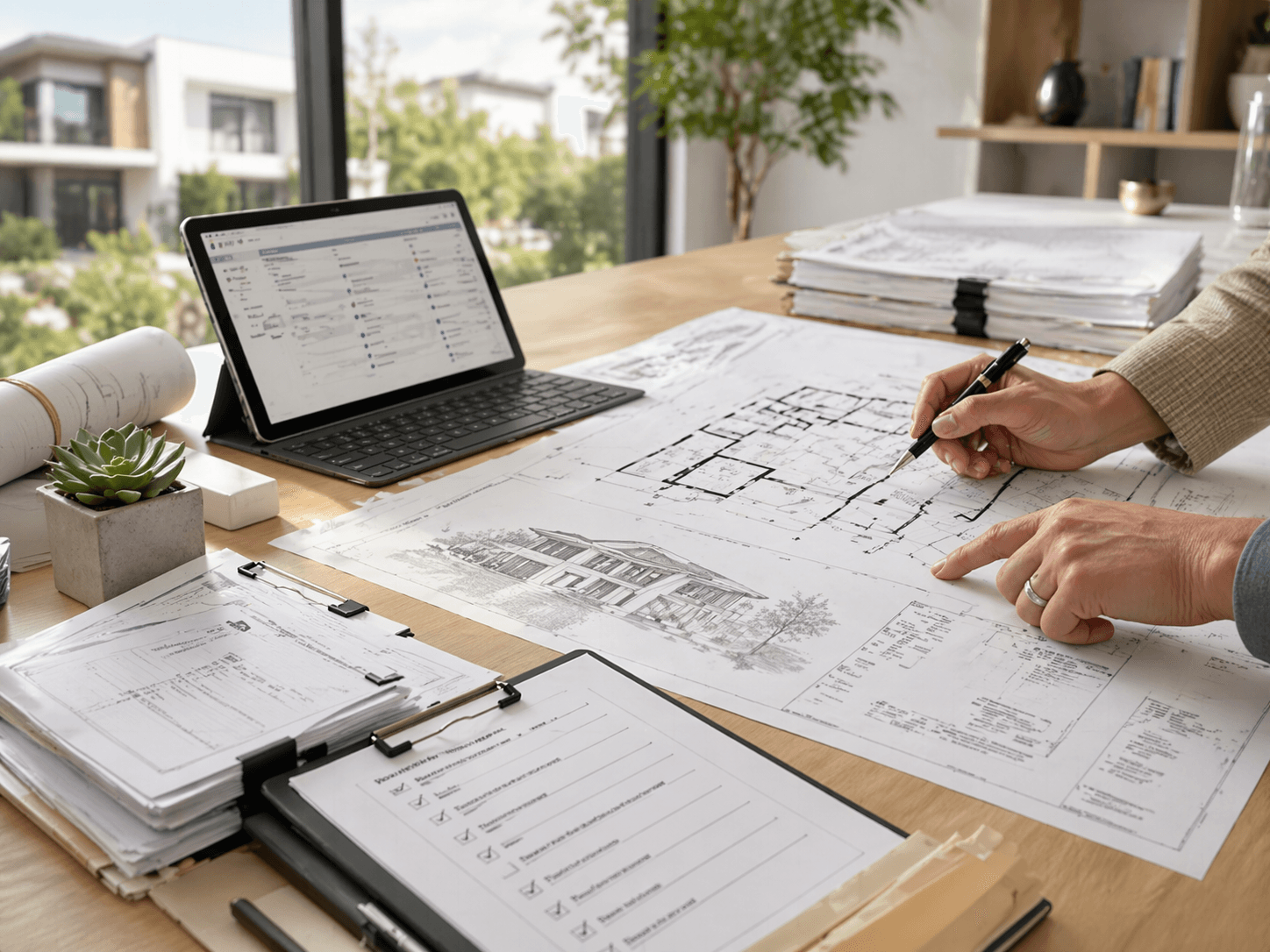
Permit-Ready Drawing Sets
Coordinated architectural sheets (plans, elevations, sections, and details), dimensioned and code-compliant for submittal.

Structural Engineering & Calculations
Licensed PE calculations for beams, foundations, and lateral systems, with the details a contractor can actually build.

City Plan-Check Responses
We interpret correction notices, revise the drawings, and draft the written responses that get your project re-approved.

Stamped & Submitted Plans
Plans stamped by a licensed architect or engineer and filed with your jurisdiction. This is the step that actually pulls a permit.
Bring your AI sketch or idea. We'll tell you exactly what it takes to permit it. No obligation.
Trust & Collaboration
What an AI Image Can't Be: An Approved Permit Set
These are real, jurisdiction-approved plan sets our licensed team produced and submitted. AI tools generate appealing visuals, but city plan-checkers require coordinated, stamped, code-compliant drawings, the deliverable that actually clears review.
Client Testimonials
Homeowners Who Took a Project From Idea to Approved
Many of our clients start with an online tool or an AI sketch. They come to us when it's time to make it real: permitted, engineered, and built.
We mocked up our ADU with an AI tool and loved it, until the city rejected it over setbacks. Cecilia Home redrew it to code, ran the structural, and got it approved. The AI version was never going to clear plan check.
I came in with screenshots from a design app. They took it seriously, told me what would and wouldn't work for permits, and turned it into a real stamped set. That honesty saved me from a costly mistake.
The AI renderings looked amazing but were useless to my contractor. Cecilia Home delivered actual permit drawings with dimensions and structural details he could build from.
We mocked up our ADU with an AI tool and loved it, until the city rejected it over setbacks. Cecilia Home redrew it to code, ran the structural, and got it approved. The AI version was never going to clear plan check.
I came in with screenshots from a design app. They took it seriously, told me what would and wouldn't work for permits, and turned it into a real stamped set. That honesty saved me from a costly mistake.
The AI renderings looked amazing but were useless to my contractor. Cecilia Home delivered actual permit drawings with dimensions and structural details he could build from.
Our remodel got hit with a long list of city corrections. The team interpreted every comment, revised the plans, and resubmitted. We were approved on the next round.
What I didn't realize is that a permit needs a licensed stamp. Cecilia Home handled the engineering and the stamp, then filed everything with the city for us.
I spent weeks generating layouts online before learning none of it was submittable. One consultation here and I finally understood what permit-ready actually means.
Our remodel got hit with a long list of city corrections. The team interpreted every comment, revised the plans, and resubmitted. We were approved on the next round.
What I didn't realize is that a permit needs a licensed stamp. Cecilia Home handled the engineering and the stamp, then filed everything with the city for us.
I spent weeks generating layouts online before learning none of it was submittable. One consultation here and I finally understood what permit-ready actually means.
They didn't dismiss the AI work I'd done. They built on the good parts and fixed what wouldn't pass code. The final addition matched the vision and got permitted.
Architecture and engineering in one place made the difference. The structural was coordinated with the drawings from day one, so there were no surprises at plan check.
Professional, clear, and fixed-price. They turned a rough idea into approved plans without the runaround. The permit came through exactly as they said it would.
They didn't dismiss the AI work I'd done. They built on the good parts and fixed what wouldn't pass code. The final addition matched the vision and got permitted.
Architecture and engineering in one place made the difference. The structural was coordinated with the drawings from day one, so there were no surprises at plan check.
Professional, clear, and fixed-price. They turned a rough idea into approved plans without the runaround. The permit came through exactly as they said it would.

Our Services
Our Range of Services
Comprehensive design and construction solutions for residential and commercial projects, delivered with expertise and attention to detail.
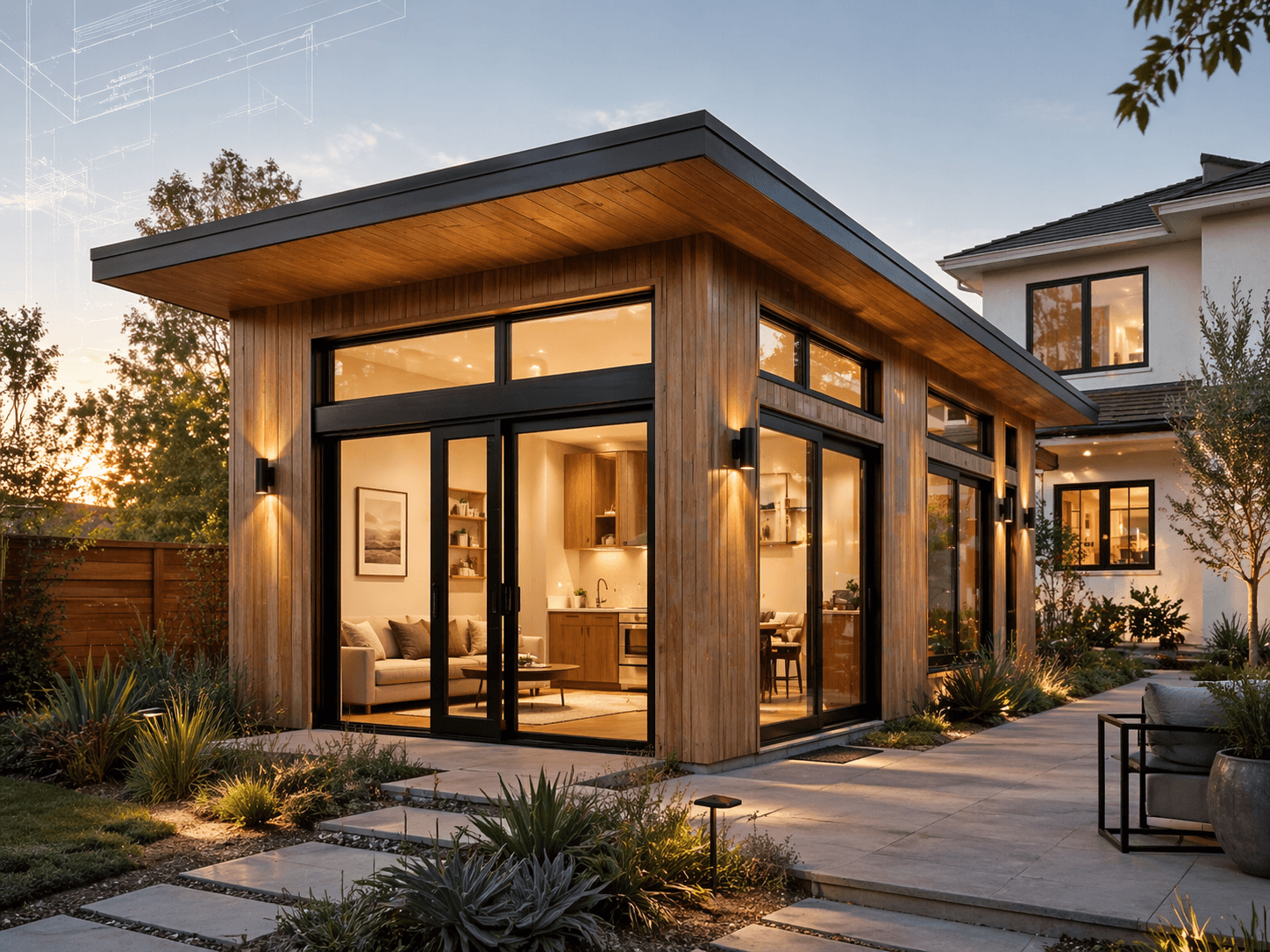
ADU Design
Custom Accessory Dwelling Unit designs that maximize your property value while maintaining aesthetic harmony.
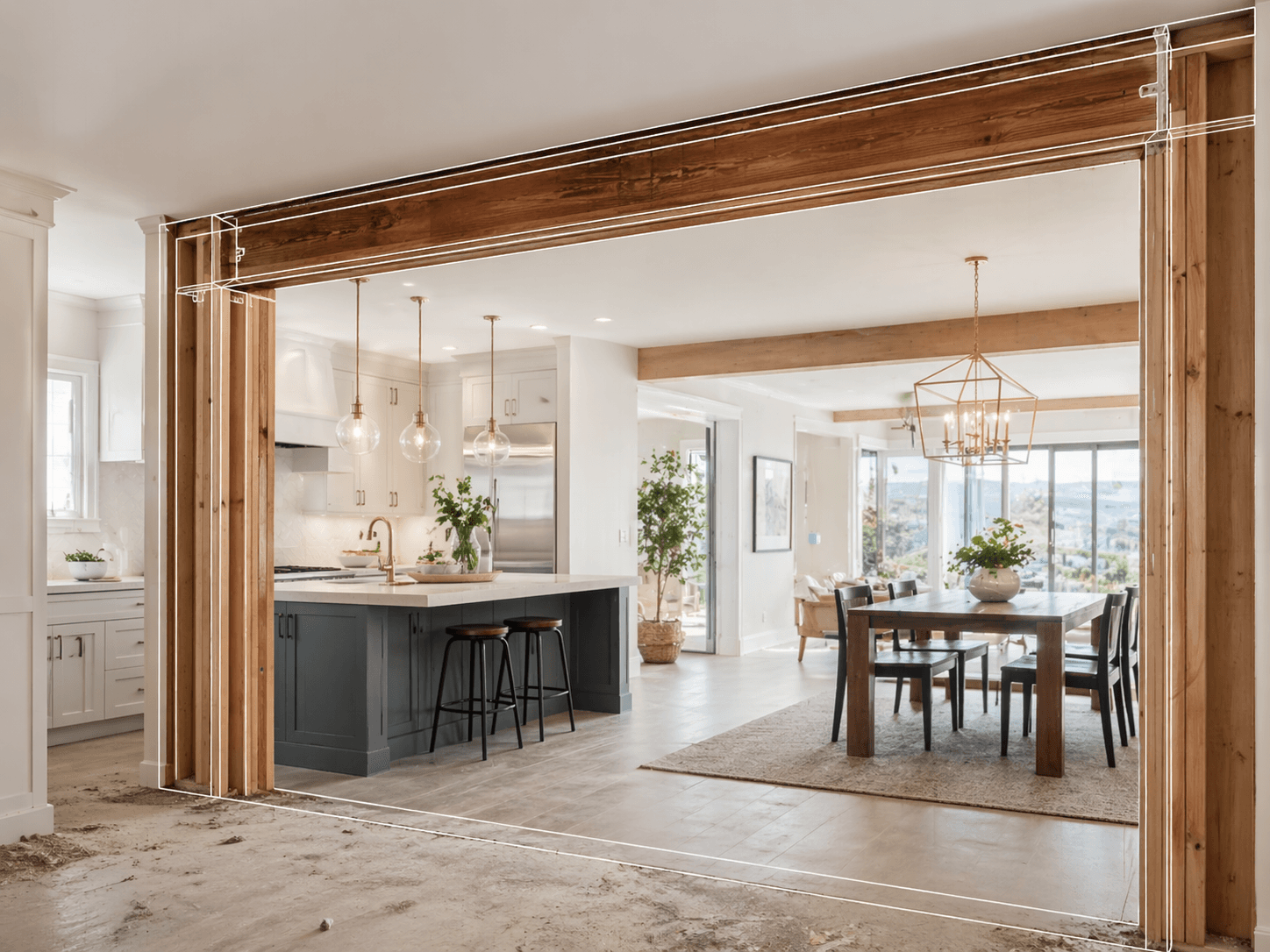
Wall Removal
Remove load-bearing walls to create more space in your home.

Home Addition
Add extra space to your home with a new room or extension.
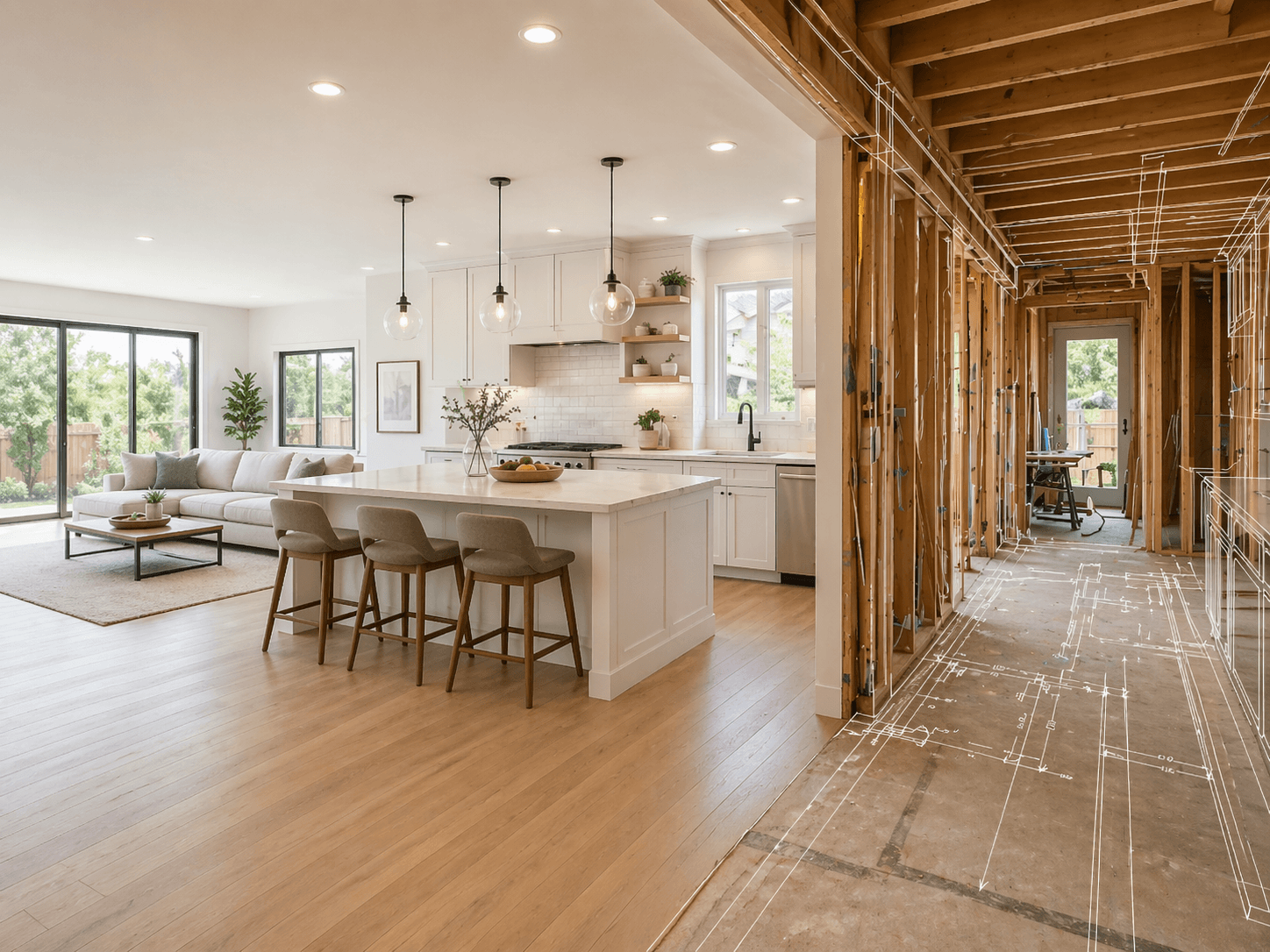
Home Remodeling
Transform your home with expert kitchen, bathroom, and living room remodeling.
Building Permit Service
Coordinate permit-path review, plan preparation, submissions, and correction responses with licensed design and engineering support.
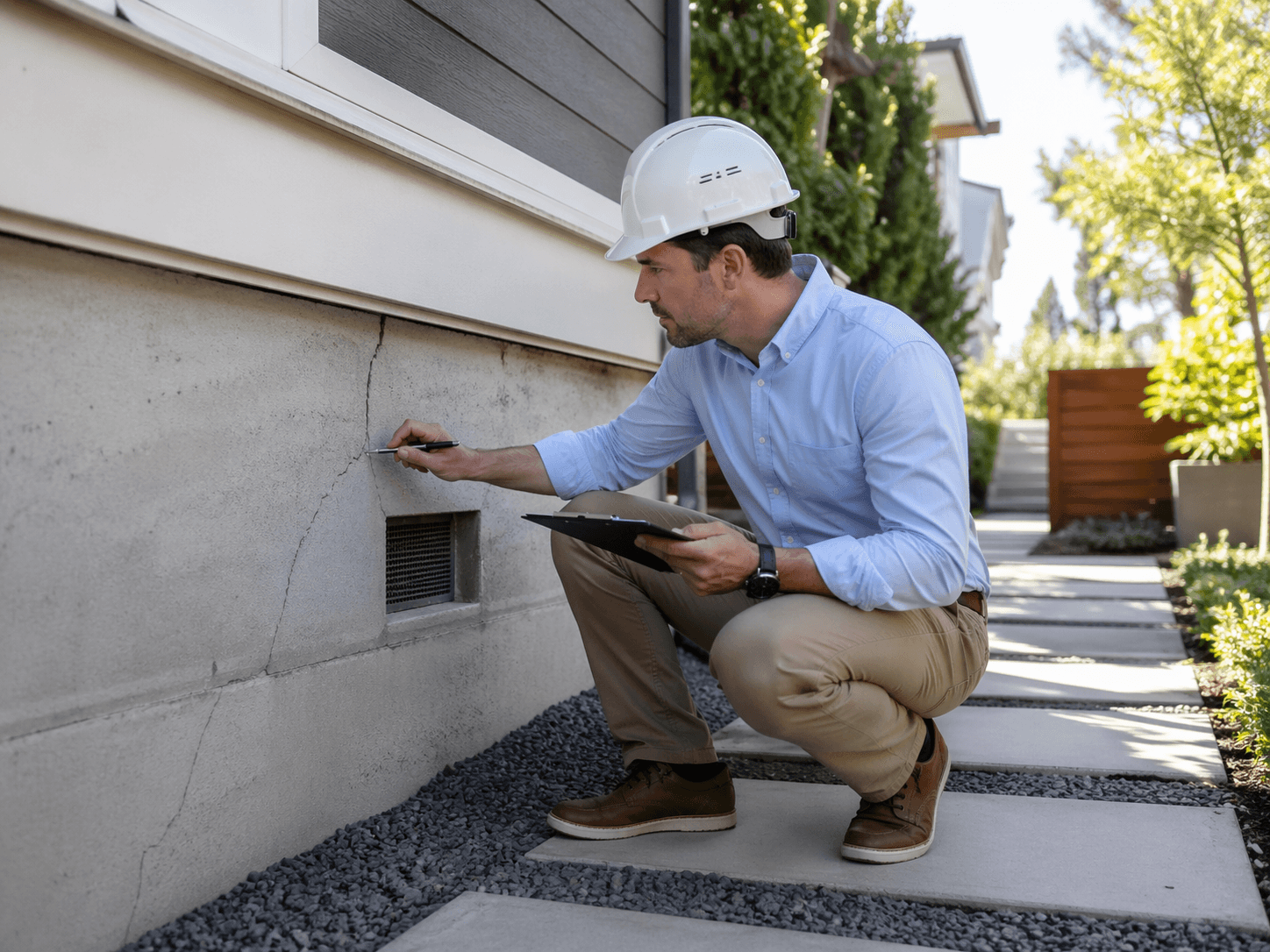
Foundation Inspection
Expert foundation inspection with detailed structural reports to ensure safety and long-term stability.
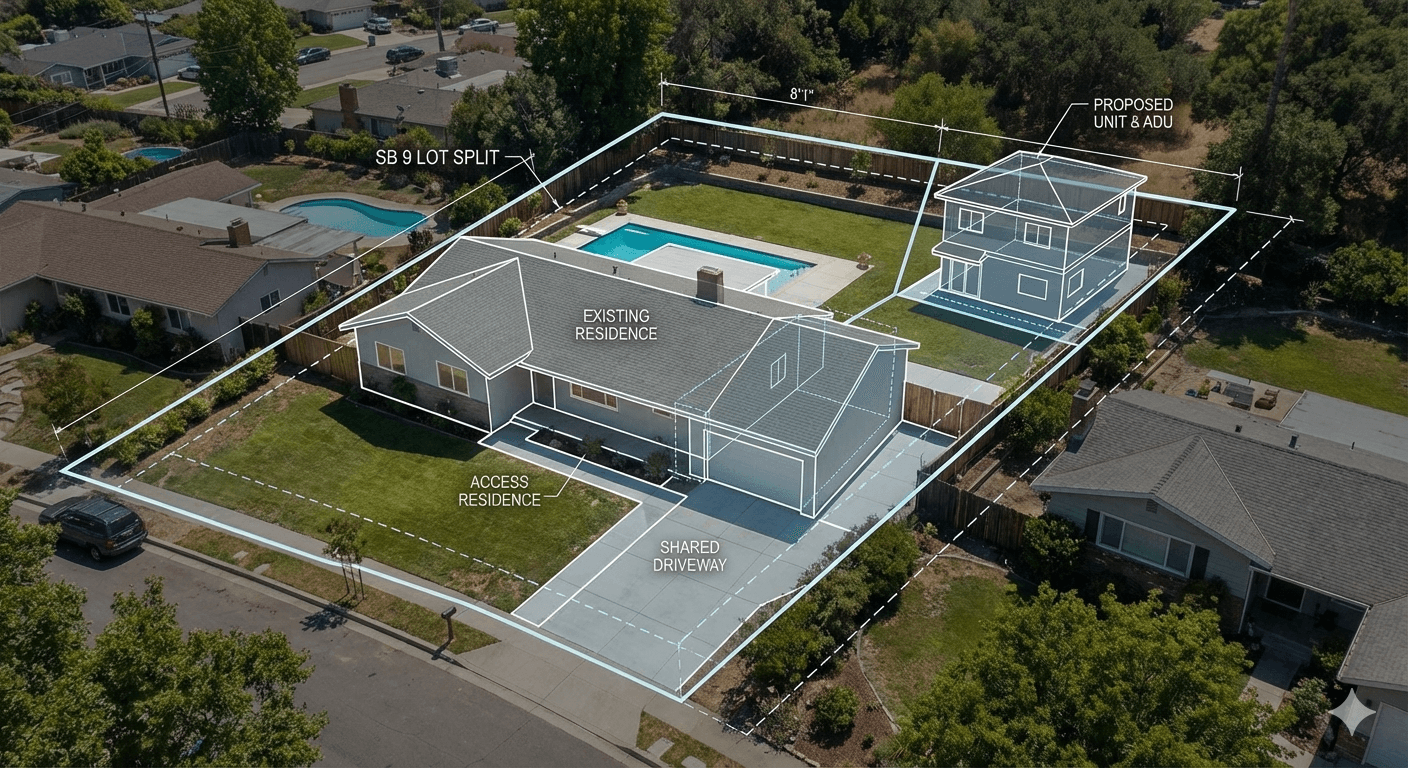
SB 9 Subdivision
California SB 9 lot split and two-unit subdivision design for maximum property value.
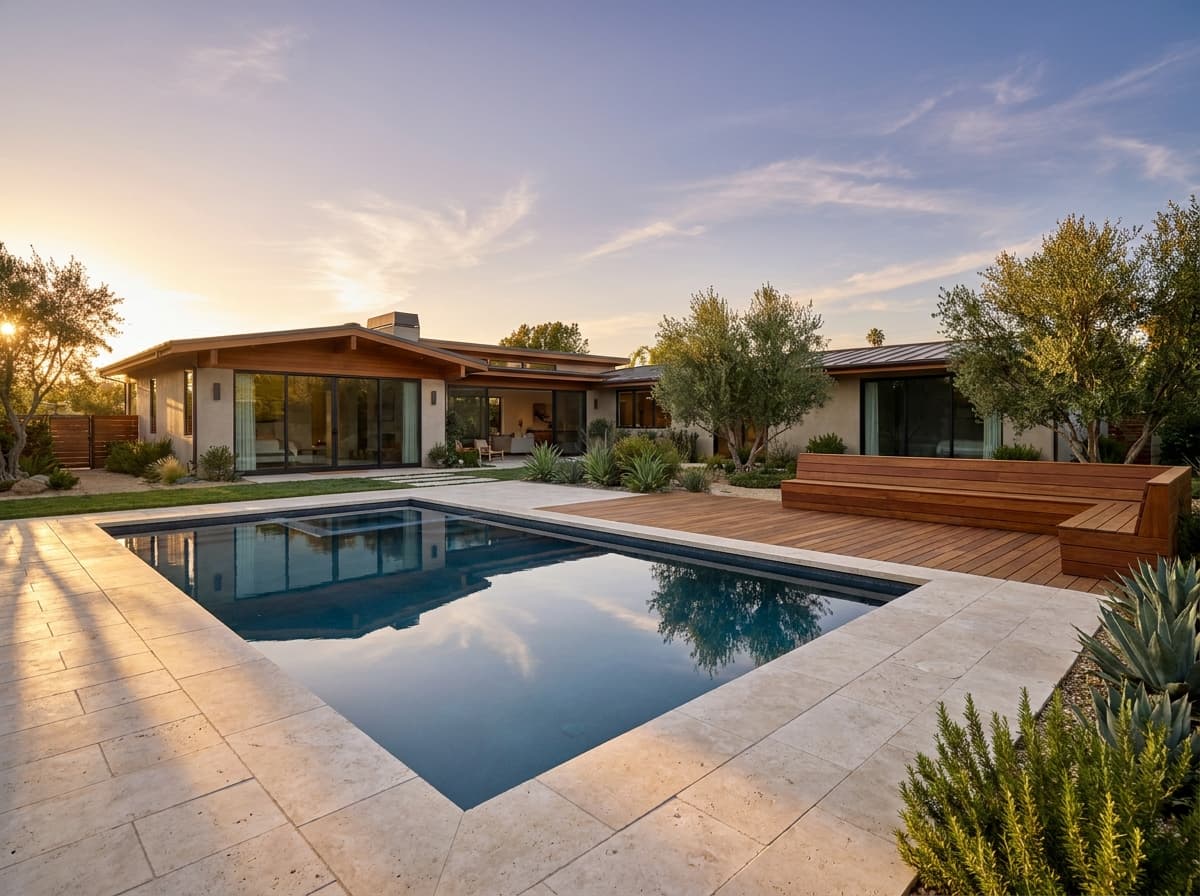
Backyard Pool & Deck Design
Custom backyard pool and deck by licensed architects, structural engineers, and landscape designers.
FAQ
Frequently Asked Questions
Common questions about using AI design tools and what it takes to get a project permitted in California.
Haven't found what you're looking for?
Yes and no. AI can generate concept images and rough floor plans in minutes, which is genuinely useful for exploring ideas early on. It cannot produce permit-ready, code-compliant construction documents, run structural calculations, or respond to city plan-check corrections. In California, those steps require a licensed architect or structural engineer. Cecilia Home maintains a 99% permit approval rate turning concepts into approved, buildable plans.
Almost never on their own. AI tools produce images and rough layouts, but California jurisdictions require coordinated, code-compliant drawing sets, and most projects need plans stamped by a licensed architect or engineer. We can take your AI concept and develop it into a permit-ready, stamped set.
Yes, for what they're good at. AI is useful for exploring layout ideas, visualizing finishes, and communicating a rough direction early on. The limitation is the permit-level work: accurate dimensions, zoning compliance, structural engineering, and city plan-check responses, which still require licensed professionals.
Setback, height, and lot-coverage rules are specific to each city and zoning district, and they change. AI tools generally apply generic assumptions rather than your jurisdiction's adopted code, so AI-generated layouts frequently violate local limits, something that surfaces during plan check and causes delays.
Absolutely. Bring your AI sketch, screenshots, or layout idea to a free consultation. We'll tell you what's workable, what needs to change for code and zoning, and exactly what it takes to turn it into a permit-ready, buildable set of plans.
We provide licensed architecture and structural engineering under one roof: verified site conditions, code-compliant and coordinated drawing sets, real structural calculations, stamped plans, and full management of the city plan-check and correction process, through to an approved permit.
Yes. We serve homeowners across California, including the Bay Area and Southern California, and we work with each project's local jurisdiction on zoning, code requirements, and permit submittal.